Rising Tensions in the Asia-Pacific: China’s Strong Rebuke to Australia Stimulate Concern
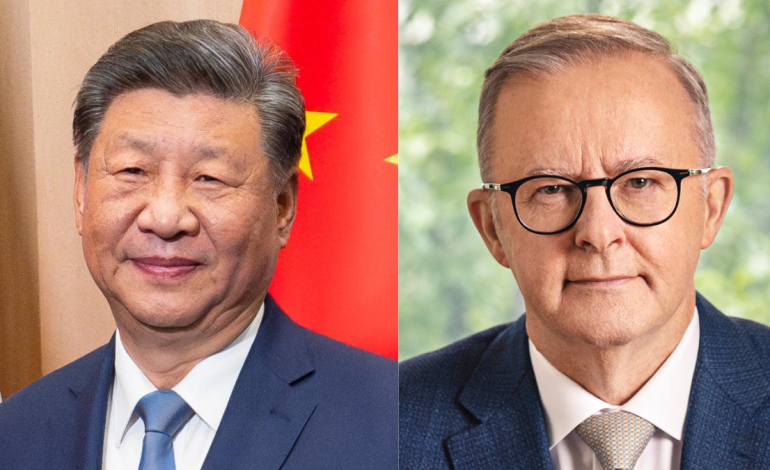

KUALA LUMPUR, 25 February 2025 – A diplomatic row has intensified between China and Australia after Beijing criticized Australia for exaggerating the significance of recent naval exercises conducted in the Asia-Pacific region caused the rising tensions between the 2 power houses. With maritime disputes and geopolitical rivalries already heightening tensions in the region, this latest spat underscores the delicate balance of power at sea.
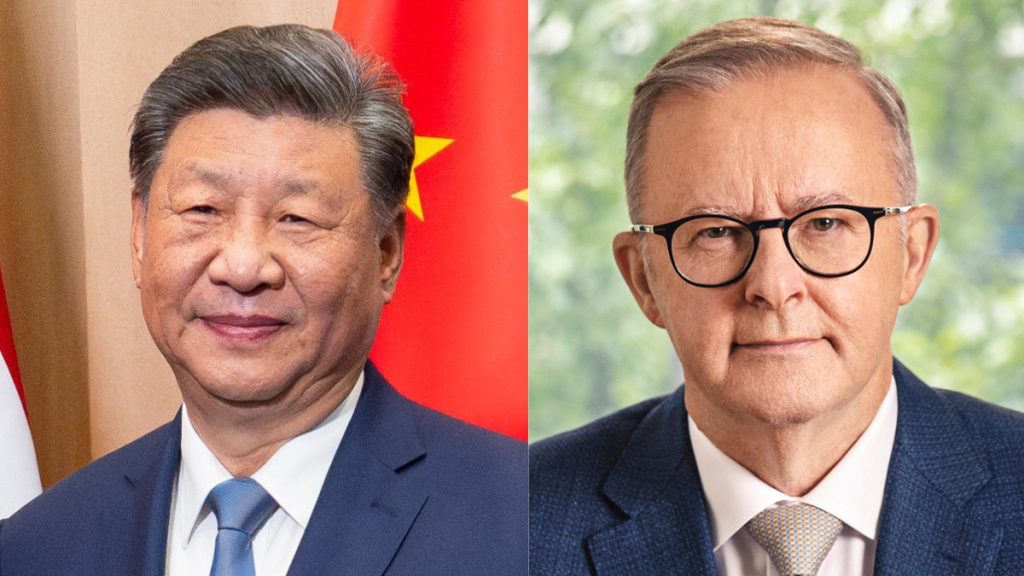
China Calls Out Australia’s Naval Posturing
On Monday, the Chinese Ministry of Foreign Affairs issued a strongly worded statement condemning Australia’s portrayal of routine naval exercises as an act of deterrence against China’s maritime expansion.
“Some countries, including Australia, have continued to hype up military exercises and stoke tensions in the Asia-Pacific,” said Foreign Ministry spokesperson Wang Lei. “Such actions are irresponsible and aimed at influencing regional stability under the guise of security partnerships.”
China’s response follows Australia’s recent joint military exercises with the United States, Japan, and the United Kingdom, widely seen as part of an effort to counter China’s growing naval influence in the Indo-Pacific.

Australia Defends Its Military Drills Caused Rising Tension
Australian Defense Minister Richard Marles rejected China’s claims, insisting that the exercises were purely defensive and essential for ensuring regional security.
“Our commitment to a free and open Indo-Pacific remains steadfast,” Marles said. “These naval drills are part of routine defense cooperation efforts with our allies and should not be misinterpreted as aggressive maneuvers.”
The drills, which included simulated maritime defense operations and live-fire exercises, were conducted near Australia’s northern coast, strategically positioning naval forces in an area of increasing geopolitical friction.
The Larger Geopolitical Landscape
The timing of this dispute comes as China continues to assert its territorial claims over the South China Sea and strengthens its military presence near Taiwan.
- The QUAD Factor: Australia’s participation in joint military exercises aligns with its increasing role in the Quadrilateral Security Dialogue (QUAD), a strategic alliance between the US, India, Japan, and Australia aimed at countering Chinese influence in the region.
- China’s Military Expansion: Beijing has ramped up naval patrols, military base construction on disputed islands, and diplomatic pressure on Southeast Asian nations over contested waters.
- US-Australia Military Ties: The United States has continued to deepen its defense ties with Australia, including plans to station more military personnel and conduct joint exercises in Australian waters.
Regional Allies Weigh In Taking Side in the Rising Tension
Japan and the Philippines, both key regional stakeholders, have voiced support for Australia’s stance, emphasizing the importance of freedom of navigation in contested waters.
“Maintaining open sea lanes and international law must remain a priority,” said Japanese Defense Minister Taro Okada. “We will continue to work with Australia and other allies to ensure stability in the region.”
Meanwhile, ASEAN nations remain cautious, wary of being drawn into a broader conflict between global superpowers. Countries such as Malaysia and Indonesia have advocated for diplomatic engagement over military posturing.
Public and Strategic Reactions
The ongoing exchange has also fueled debate within Australia. Opposition leaders and analysts have questioned whether Australia should continue military engagement at the current scale or adopt a more diplomatic approach.
“Australia must tread carefully,” said Dr. Paul Jenkins, a security analyst at the Australian Strategic Policy Institute. “While deterrence is crucial, escalating tensions with China could have economic and security consequences.”
On social media, views remain divided, with some Australians backing a firm stance against Chinese maritime aggression, while others worry about economic repercussions given China’s status as Australia’s largest trading partner.
Rising Tensions Sequel
As tensions escalate, diplomats from both China and Australia are expected to engage in further discussions to ease hostilities. However, the broader strategic contest in the Asia-Pacific is unlikely to dissipate anytime soon.
Analysts warn that continued military exercises, territorial disputes, and rival security alliances will shape the region’s geopolitical future in the coming years.
For now, China and Australia remain on opposing ends of a growing power struggle, with the balance of influence in the Indo-Pacific hanging in the balance.
Stay updated with ForwardMalaysia.my for the latest developments on global and regional affairs.