


NASA Astronauts Return After an Unexpectedly Extended Space Mission

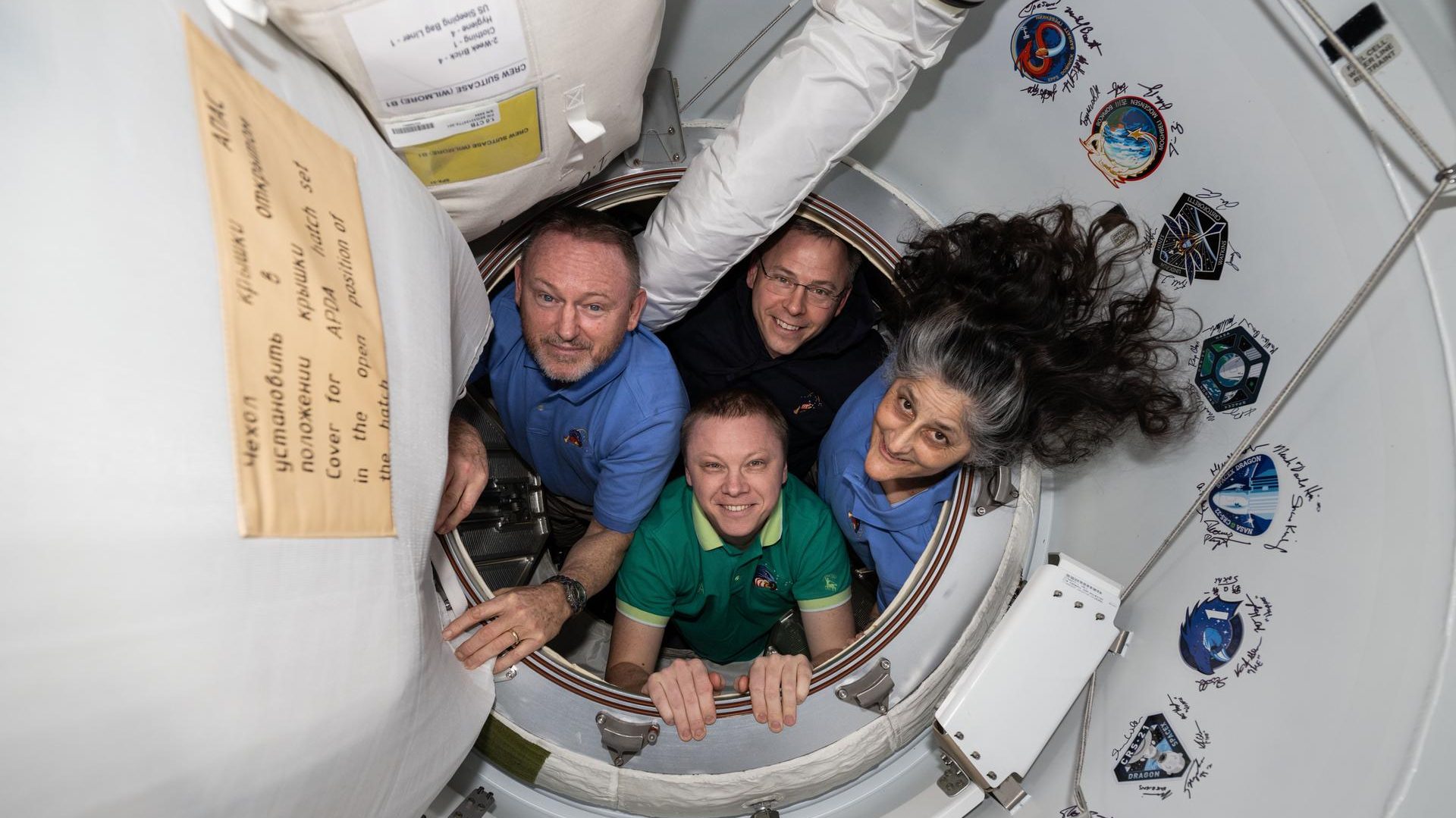
KUALA LUMPUR, March 19 – NASA astronauts Butch Wilmore and Suni Williams have finally returned to Earth after spending an unexpected nine months in space.
The initial eight-day mission aboard Boeing’s Starliner turned into a prolonged stay due to technical malfunctions, forcing NASA to adjust its plans. The astronauts, Butch and Suni landed safely in a SpaceX Dragon Capsule off the Florida coast on Tuesday evening, marking the end of a mission filled with delays and uncertainty.
NASA
A Test Flight to Prolonged Stay
Wilmore and Williams launched in June aboard Starliner for what was supposed to be a short test flight— Boeing’s final step toward securing NASA’s approval for crewed missions. But soon after docking at the ISS, Starliner’s propulsion system failures made a return trip unsafe.
With no immediate backup, NASA integrated the astronauts into the station’s regular crew rotation, extending their stay indefinitely.
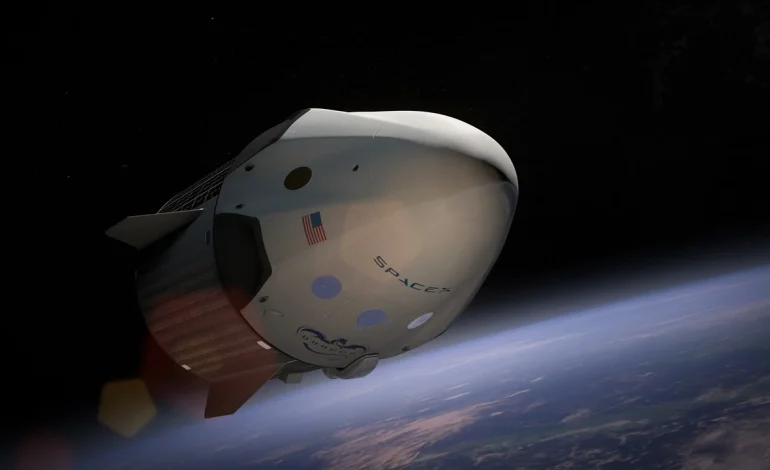
On Tuesday morning, the long-awaited return began. Wilmore, Williams, and two other astronauts boarded SpaceX’s Crew Dragon, undocking from the ISS at 1:05 a.m. ET. The capsule hurtled through Earth’s atmosphere at 17,000 mph before parachutes deployed, slowing it to a gentle 17 mph before splashdown in the Gulf of Mexico at 5:57 p.m. ET.
“What a ride,” said Crew-9 mission commander Nick Hague moments after landing. “You’ve got four smiling astronauts in here.” Reuters
Political Pressure and NASA’s Response
The prolonged mission became political as President Donald Trump accused the previous Biden administration of neglecting the astronauts. He demanded their immediate return.
However, NASA immediately denied any political influence for this incident. Officials have stated that the delay was necessary for crew scheduling and safety measures.
To speed things up, NASA adjusted flight schedules. Crew-9’s replacement launched earlier to free up a ride home. ISS program manager Joel Montalbano confirmed the change was purely operational. Wilmore also dismissed political claims, saying, “Every choice was made with safety in mind.”
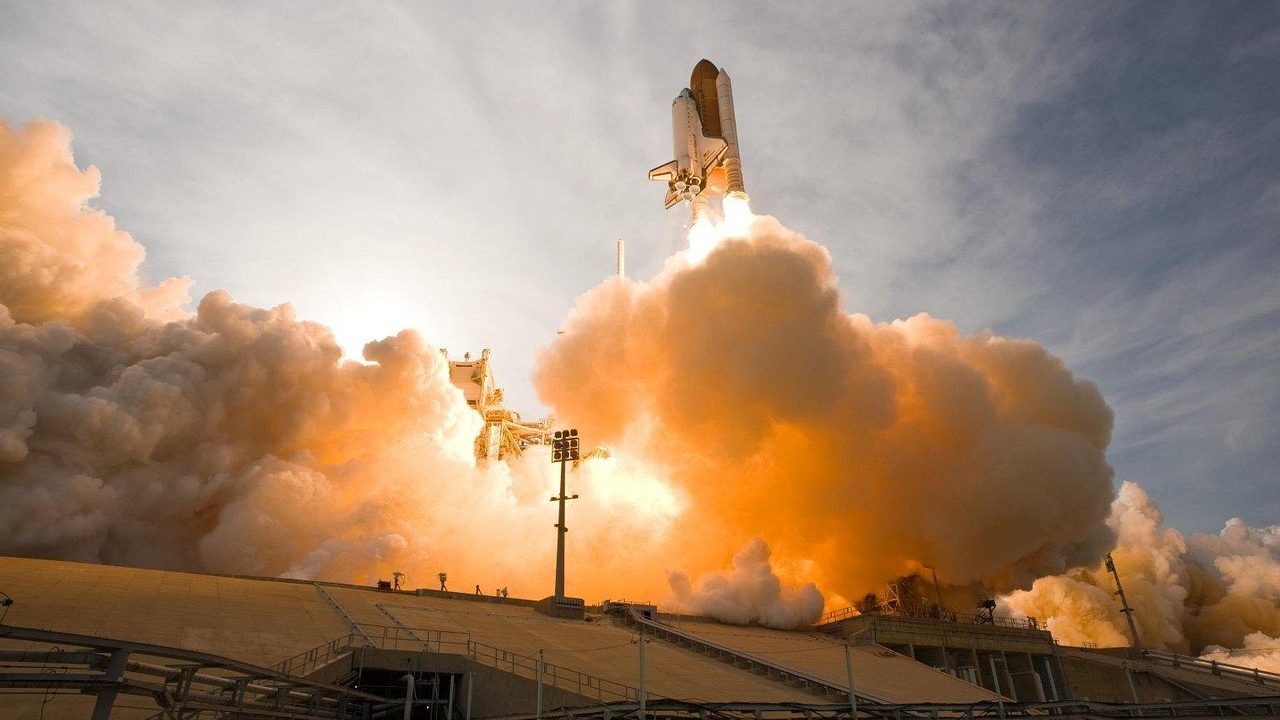
The mission raised new concerns about Boeing’s Starliner program. NASA had hoped the spacecraft would compete with SpaceX’s Crew Dragon. Instead, repeated failures have stalled progress.
Starliner may now require another uncrewed test flight before carrying astronauts again. Boeing has not commented on the future of the program. NASA officials will reassess before approving its next mission.
Endurance in Space and Recovery
During their extended stay, Wilmore and Williams worked on more than 150 experiments. Their mission lasted 286 days, which was far longer than planned. However, it was still short of NASA astronaut Frank Rubio’s 371-day record.
For Williams, this mission pushed her total time in space to 608 days. She is now the second most experienced U.S. astronaut, behind Peggy Whitson.
After landing, the crew was flown to NASA’s Johnson Space Center in Houston. They will undergo medical evaluations. Long space missions weaken muscles and affect vision, making recovery essential.
“They’ve earned time with their families,” said NASA’s Commercial Crew Program chief Steve Stich.
Despite the challenges, the two astronauts adapted to their unexpected situation with resilience. Their mission highlights the unpredictable nature of space travel, while the lessons learned from this experience will help shape future operations, ensuring astronauts are better prepared for the unknown.


