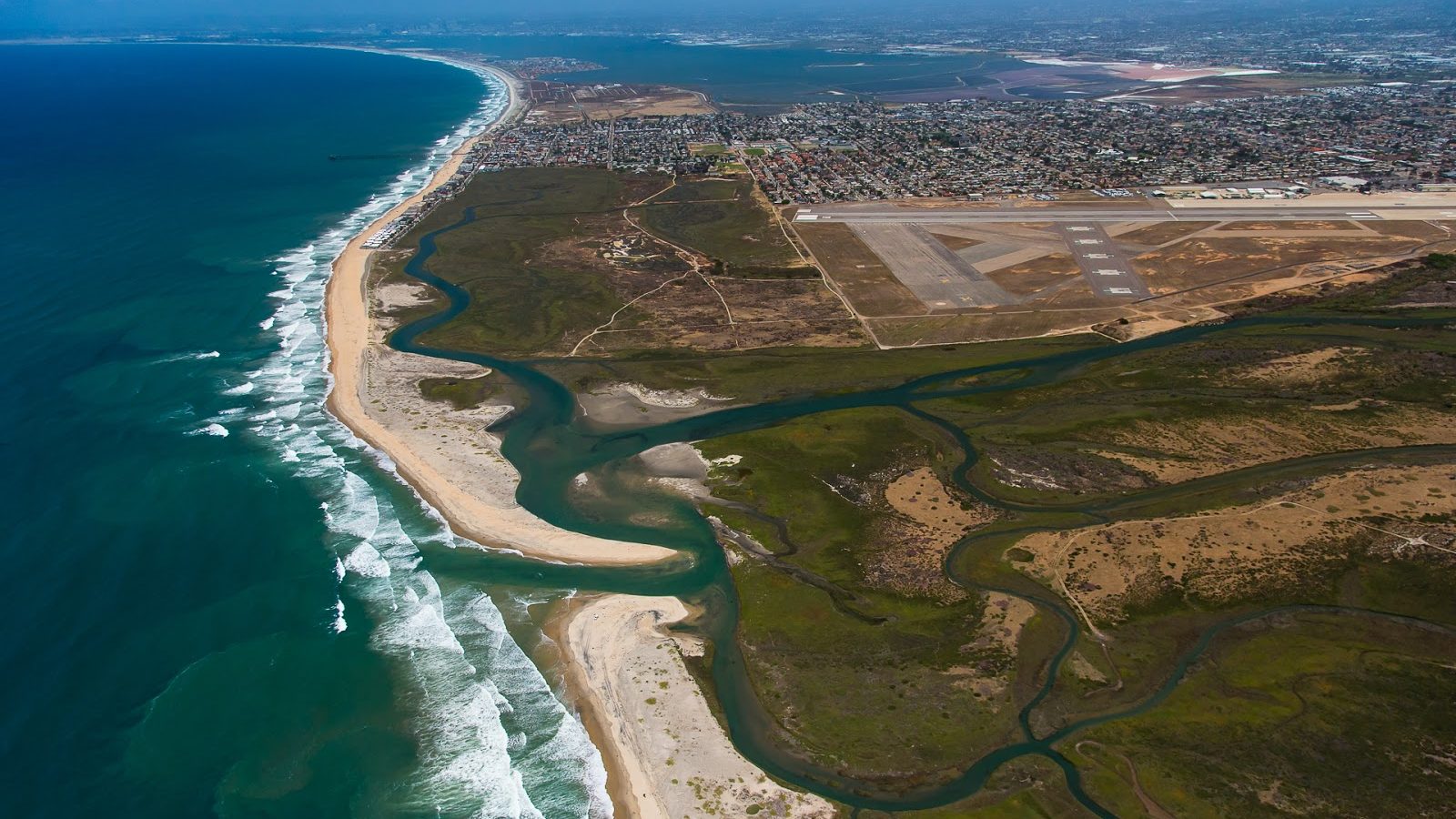
KUALA LUMPUR, March 21 – The United States has declined Mexico’s request for water yesterday, citing shortages in the previously agreed-upon supply. The decision comes as President Donald Trump intensifies tensions on yet another issue.
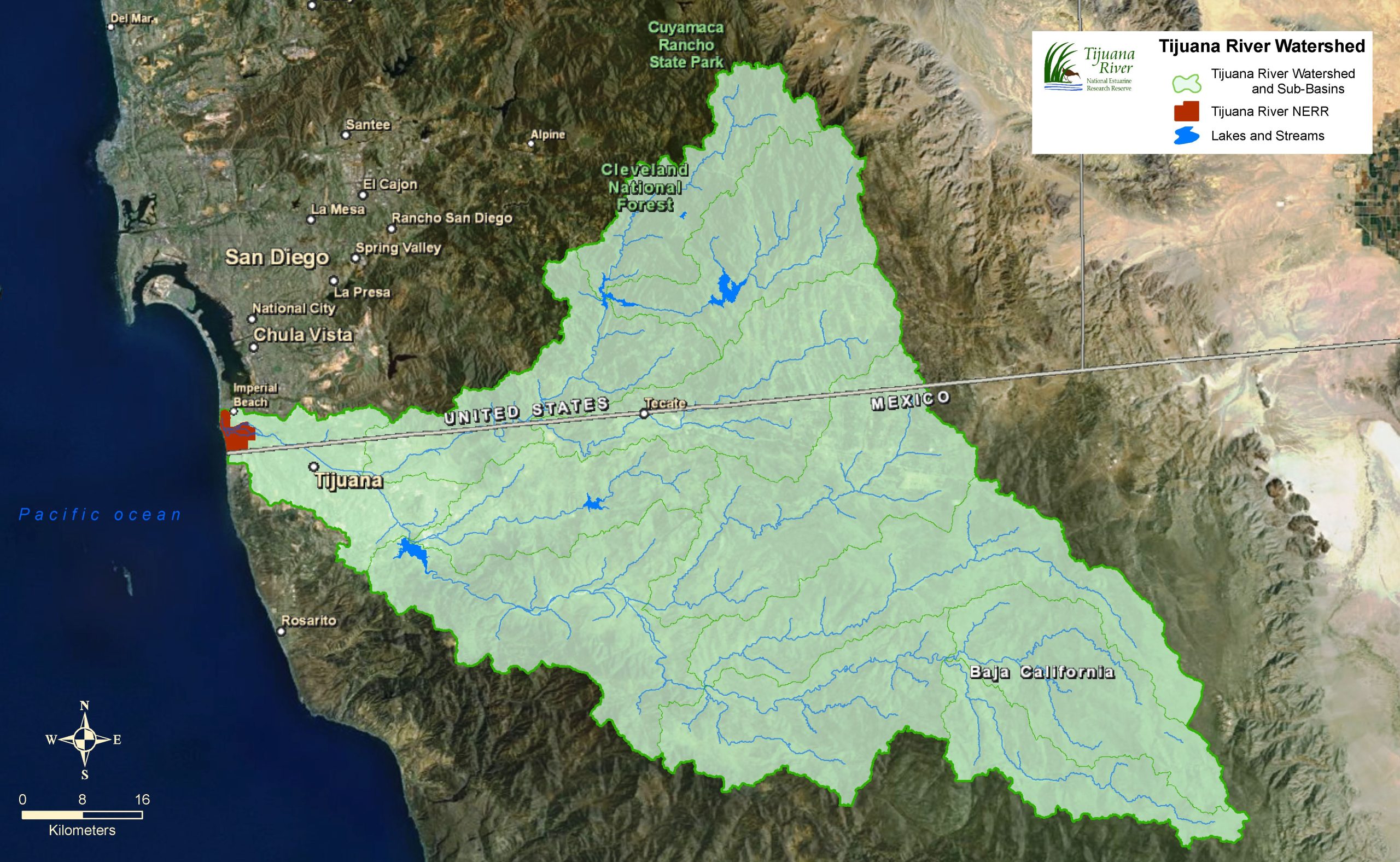
According to the State Department, this marks the first instance in which the United States has denied Mexico’s request for an emergency water supply, which was intended for Tijuana.
The issue stems from the 1944 Water Treaty, which requires Mexico to send water to the U.S. every five years. The current cycle ends in October 2025, but U.S. officials say Mexico often delays its deliveries and has fallen short this time.

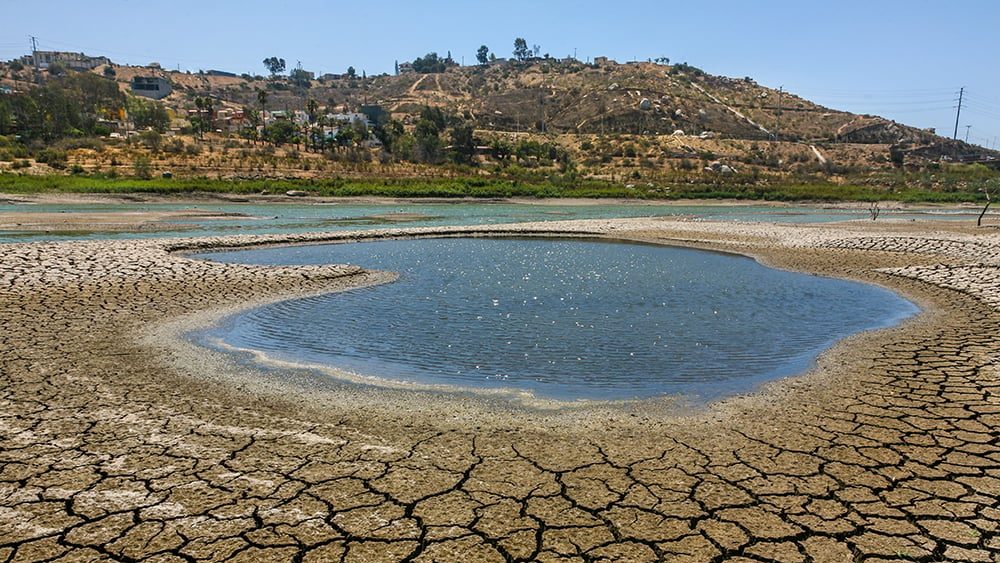
“The lack of water is hurting American farmers, especially in the Rio Grande Valley,” said the State Department’s Latin America bureau on X.
Climate change and growing water demand from farming and expanding cities have made the situation worse.
Farmers Struggle as Water Runs Low
The water shortage has badly affected Texas farmers who rely on it for crops like cotton and citrus. Last year, the state’s last sugar mill shut down, blaming a lack of water from Mexico.
In November, just days after Donald Trump’s election, the U.S. and Mexico made a deal to improve water deliveries. The Biden administration called it a positive step, as it encouraged Mexico to send water earlier in the cycle instead of waiting until the last minute.

But the issue remains unresolved. “Texas farmers are struggling because Mexico hasn’t delivered enough water,” said Senator Ted Cruz. “I will work with the Trump administration to make sure they follow the agreement.”
Water Crisis on Both Sides
Mexico, however, is facing its own water challenges, including drought and aging pipes. President Claudia Sheinbaum said the problem is being discussed through official channels.
“There’s been less water, and that’s part of the problem,” she told reporters.
Tijuana, a large border city that depends on the Colorado River for nearly 90% of its water, has also been struggling. The river, which supplies cities like Los Angeles and Las Vegas, has been shrinking due to drought and heavy agricultural use.
To help U.S. farmers, Agriculture Secretary Brooke Rollins announced $280 million in relief funds for those affected in the Rio Grande Valley.