


KUALA LUMPUR, 25 March 2025 – Kuala Lumpur City Hall (DBKL) has confirmed the identification of 48 abandoned premises and buildings across the federal capital, signaling renewed focus on urban revitalisation, public safety, and socioeconomic integration.
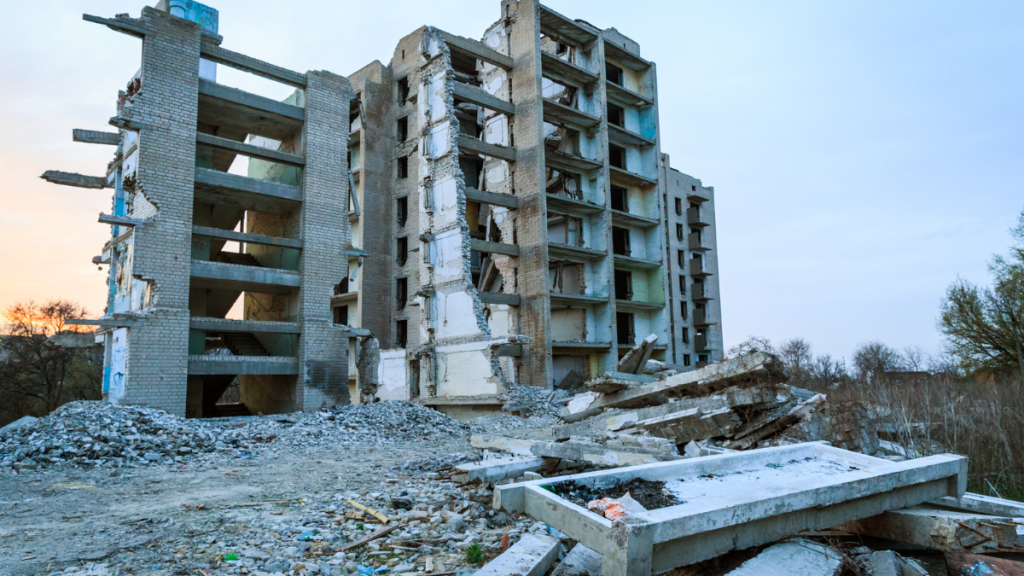
The issue, long highlighted by residents and local leaders, is now part of an urban management agenda being prioritized to combat urban decay, squatter resurgence, health hazards, and potential criminal activity in these vacant sites.
A Lingering Urban Dilemma
Abandoned properties in high-density areas such as Kampung Baru, Brickfields, and Wangsa Maju have been a persistent issue over the past decade. These structures, often left incomplete or vacated, pose risks to public safety, attract vandalism, and in some cases, serve as illegal shelters or drug dens.
DBKL has announced that it is working in collaboration with:
- The Ministry of Local Government Development
- Kuala Lumpur Police
- Land Office and private property stakeholders
to audit, reclaim, and potentially repurpose these properties.

Enforcement and Policy Framework
DBKL’s Deputy Director-General for Planning, Datuk Yusoff Ibrahim, revealed that the premises identified fall under various categories:
- Privately-owned buildings left unattended
- Abandoned construction projects
- Shoplots turned inactive or disused for more than two years
A legal review is underway to determine if enforcement action under the Local Government Act 1976 and Street, Drainage and Building Act 1974 can be used to:
- Compel repairs or redevelopment
- Confiscate hazardous sites
- Incentivize urban renewal projects through public-private partnerships
“We cannot allow our city’s core to decay. These buildings are not just eyesores — they endanger community safety and affect economic vibrancy,” said Yusoff.
Public and Community Safety Implications
Residents in affected areas have welcomed the move. Taman Maluri resident, Puan Salbiah Ahmad, whose home is adjacent to an abandoned hotel project, voiced concerns:
“We worry for our children’s safety. At night, strangers linger around the site. It’s a health and crime risk.”
The Kuala Lumpur Police have confirmed that several of the identified buildings have been linked to drug activity, squatting, and theft cases.
Revitalisation as a Development Strategy
Urban planners advocate turning these derelict properties into:
- Affordable housing units
- Community centers or youth hubs
- Co-working and innovation spaces
- Pocket parks or urban farms
Architectural heritage activists are also pushing for restoration of older colonial-era structures rather than demolition.
Development Blueprint
DBKL is currently compiling a comprehensive redevelopment blueprint to be submitted to the Federal Territories Ministry. Stakeholder consultations and public feedback will be held over the coming weeks to ensure transparency and inclusivity.


The identification of 48 abandoned premises marks a critical step in reclaiming urban space, restoring community pride, and enhancing safety in the capital. With government backing and civil society input, Kuala Lumpur may soon see once-forgotten corners revived into assets for the public good.
For ongoing urban development stories and civic policy updates, stay connected with ForwardMalaysia.my.


