


P2P Financing Thrives in 2024 Funding Capital for SMEs and Startups


KUALA LUMPUR, 25 March 2025 – Malaysia’s Peer-to-Peer, i.e. P2P financing sector experienced remarkable growth in 2024, emerging as a vital funding alternative for micro, small, and medium enterprises (MSMEs) and contributing to the nation’s financial inclusivity and innovation-driven economy.
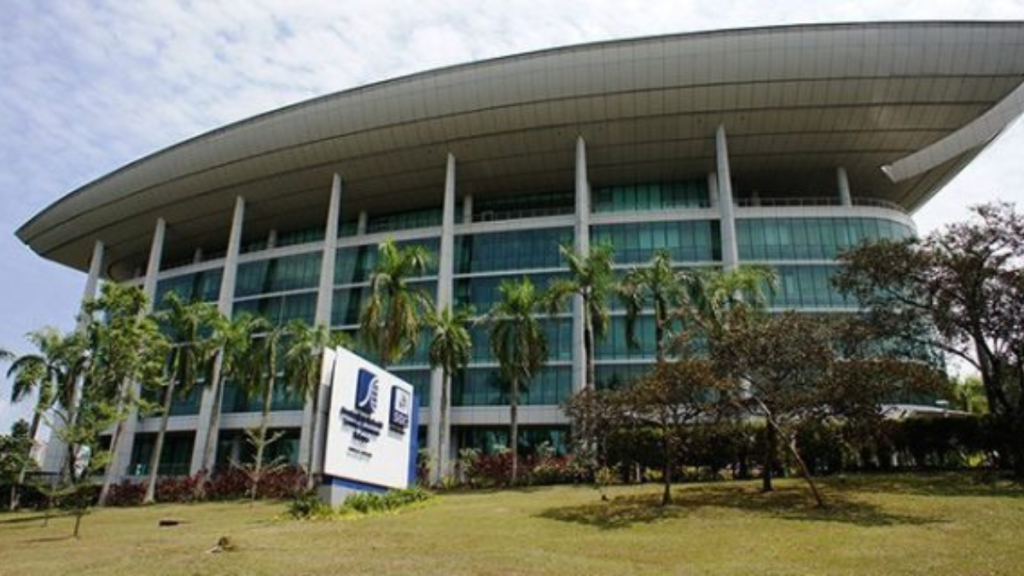
The Securities Commission Malaysia (SC), in its latest annual market report, revealed that total P2P financing volume surpassed RM2.7 billion in 2024, marking a significant increase compared to RM2.1 billion the previous year.
A Lifeline for Underserved Entrepreneurs
With traditional banking often presenting challenges for smaller businesses seeking credit, P2P financing has stepped in as a flexible and accessible funding channel. Through online platforms regulated by the SC, businesses are able to raise funds directly from retail and institutional investors, bypassing conventional financial gatekeepers.
“The success of P2P financing demonstrates the market’s appetite for alternative credit options, particularly for MSMEs that form the backbone of our economy,” said SC Chairman Datuk Seri Awang Adek Hussin.
Investor Confidence on the Rise
The SC noted that the number of investors in P2P platforms rose by 26% year-on-year, with retail investors making up 85% of the total participants. Most campaigns successfully reached their funding targets within 7 to 14 days, a reflection of strong investor confidence and demand for higher-yield investment options.
The average return on investment (ROI) for P2P campaigns ranged from 7% to 11%, depending on risk tier and tenure. Top-performing sectors included logistics, retail trade, agriculture, and digital services.
Technology-Enabled Credit Access
There are currently 11 registered P2P operators in Malaysia, including platforms such as Funding Societies, CapBay, B2B Finpal, and MoneySave. These platforms leverage data analytics, AI-based credit scoring, and integrated payment systems to enhance transparency and reduce default risks.

The sector’s growth is also supported by:
- Bank Negara Malaysia’s Fintech Sandbox
- Digital onboarding innovations
- Collaboration with credit reporting agencies
Regulatory Oversight and Risk Mitigation
To ensure sustainability, the SC has introduced stricter disclosure requirements, default management protocols, and ongoing platform audits. In 2024, the sector maintained a healthy default rate of below 1.2%, far lower than global averages.
“Our role is to ensure that while innovation is encouraged, investor protection and market integrity remain paramount,” added the SC chairman.
Inclusivity and Financial Empowerment
Importantly, P2P financing has extended funding to entrepreneurs from underserved states like Kelantan, Sabah, and Sarawak, and to women-owned and youth-led businesses. The model supports inclusive economic participation, aligning with Malaysia’s financial literacy and digital economy goals.
In collaboration with SME Corp and MDEC, educational workshops and digital tools are being offered to help small businesses navigate online financing options more effectively.
Looking Ahead: A Promising Fintech Frontier
Industry players expect P2P financing in Malaysia to continue its upward trajectory in 2025, driven by digitisation of SMEs, investor diversification, and government support for alternative finance ecosystems.
Malaysia is now positioning itself as a regional leader in fintech adoption, with P2P financing at the forefront of this transformation.
Conclusion: Financing the Future
Malaysia’s P2P financing sector has proven its value as both a business enabler and investment opportunity, supporting entrepreneurs while offering meaningful returns to investors. With the right policy support and innovation momentum, it is set to become an even more powerful tool for economic empowerment.
For ongoing coverage of fintech innovation, financial inclusion, and SME success stories, stay connected to ForwardMalaysia.my.


