


Trump says non-US movies to be hit with 100% tariff


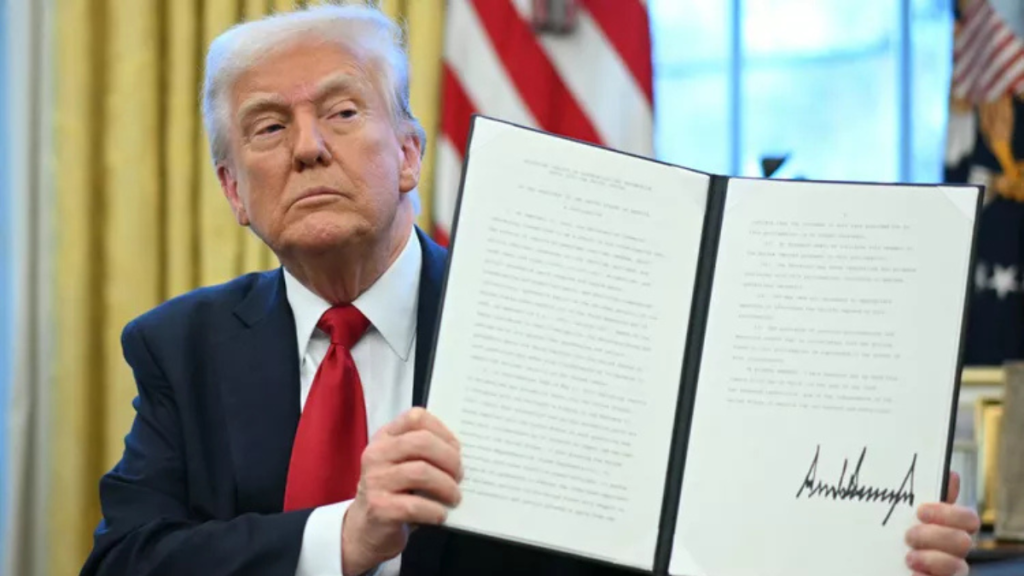
DC Washington, 05/05/2025 — In a move that has stirred the international film industry, former President Donald Trump has announced intentions to impose a 100% tariff on non-U.S. films. This proposal, aimed at promoting American cinema, could significantly impact the global film market and has prompted reactions from industry stakeholders around the world. As the debate unfolds, various implications for filmmakers, distributors, and audiences are being considered.
Tariff Policy Proposal
The announcement by Donald Trump aligns with his long-standing ‘America First’ economic policies, which have previously targeted various foreign industries. The proposal to levy a 100% tariff on non-U.S. films marks a significant shift in the cultural import landscape, reflecting a broader protectionist trend. Historically, international films have enjoyed considerable success in the U.S. market, contributing to cultural diversity and economic exchange. Trump’s statement, made during a televised interview, emphasized the need to support domestic filmmakers and protect American jobs, resonating with his political base but raising concerns about cultural insularity.
Timeline and Key Developments
The proposal has not yet been formalized into legislation, but Trump’s announcement has already catalyzed discussions among policymakers and industry leaders. Should the initiative progress, a formal bill might be introduced to Congress, where it would face rigorous debate. The timeline for any potential implementation remains uncertain, yet the immediacy of reactions indicates a high level of concern. Historically, similar economic measures have taken months or even years to materialize, allowing stakeholders time to lobby for or against specific provisions. Observers note that the upcoming election cycle could influence the proposal’s trajectory, as candidates from both parties weigh in on the issue.
Implications for the Global Film Industry
The imposition of a 100% tariff on non-U.S. films could have profound implications for the global film industry. International studios relying on the American market for a significant portion of their revenue might face financial strain, potentially impacting film production budgets and employment within the industry. U.S. distributors, accustomed to a diverse portfolio of international offerings, could see their options narrowed, potentially affecting box office revenues. Industry experts warn that such tariffs might lead to retaliatory measures from other countries, further fragmenting the international film market. In addition, independent filmmakers could encounter new barriers to entry, stifling creativity and innovation.
Expert Commentary and Industry Reactions
The proposal has elicited varied responses from industry insiders and policymakers.
A spokesperson for the Motion Picture Association expressed concern over the potential economic impact, stating, “Tariffs of this magnitude could disrupt the delicate balance of the international film ecosystem, affecting everything from artistic collaboration to consumer choice.”
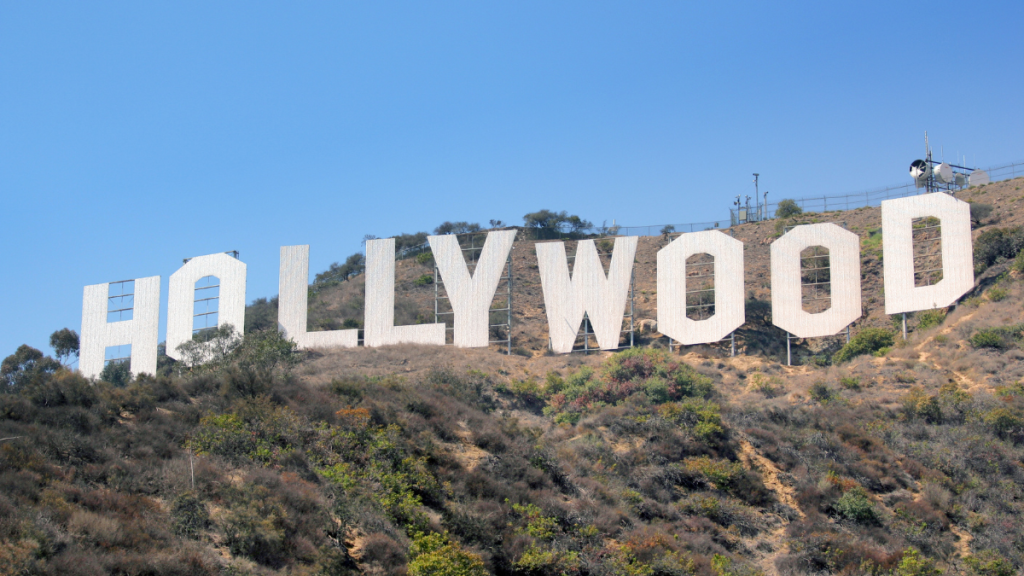
Meanwhile, some analysts highlight the potential for increased domestic investment in American cinema, creating new opportunities for U.S.-based filmmakers. However, the broader consensus suggests that the cultural and economic costs of such tariffs may outweigh any potential benefits, with cultural exchange considered a valuable asset in an interconnected world.
Historical Context and Precedents of Tariff
Historically, tariffs have been utilized as tools of economic policy to protect domestic industries and generate government revenue. The film industry, however, has largely been exempt from such measures, reflecting its unique role in cultural diplomacy and international relations. Previous efforts to restrict cultural imports have faced significant opposition, both domestically and abroad. Comparisons have been drawn to past attempts to regulate media content, which often sparked debates about censorship and artistic freedom. As the discussion continues, stakeholders are examining past precedents to inform their strategies and responses, recognizing the complex interplay between economic policy and cultural expression.
Read More of U.S. Tariffs News and Donald Trump News


