



Rafidah Aziz Condemns U.S. For Betrayal of Global Trade Norms

KUALA LUMPUR, 4 April 2025 – Malaysia’s former Minister of International Trade and Industry, Tan Sri Rafidah Aziz, has issued a sharp rebuke of the United States’ new reciprocal tariff policy, calling it a blatant violation of international trade principles and a dangerous setback to decades of multilateral economic cooperation.
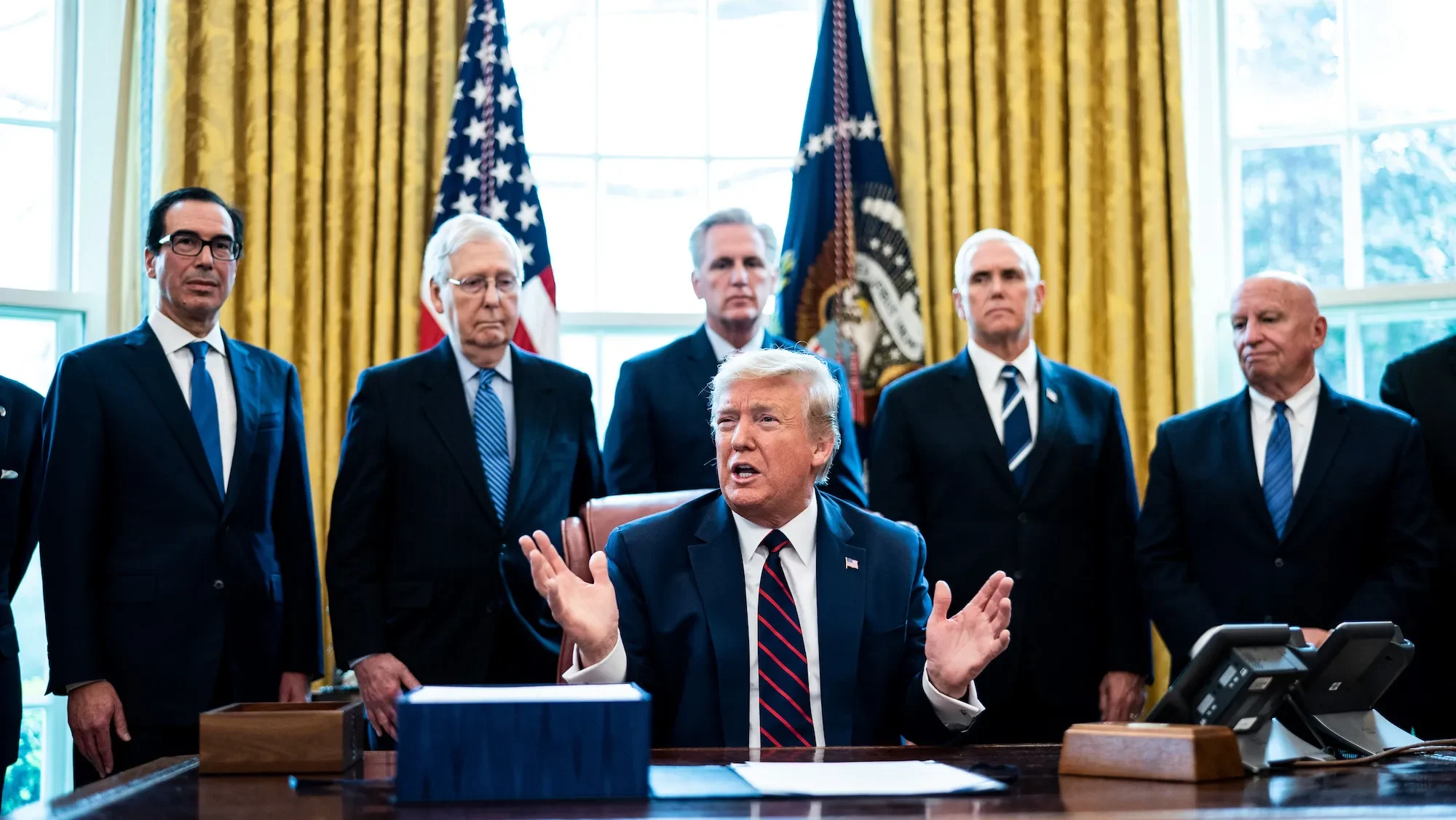
In a strongly worded public address, Rafidah warned that the protectionist measures announced by President Donald Trump risk plunging the world into a new era of economic nationalism, disrupting carefully structured global supply chains and undermining the spirit of fair, rules-based trade.
“This is not trade reform. This is trade retaliation, and it undermines the very fabric of global economic collaboration we’ve all built since Bretton Woods,” she said.
The Tariff Policy in Question

The Trump administration’s tariff policy, rolled out under the banner of “reciprocity,” seeks to impose levies on goods from nations that have trade surpluses with the United States. Unlike previous targeted trade actions, this approach ignores industry-specific negotiations, WTO mediation, or prior bilateral frameworks.
For Malaysia—an export-reliant economy with a moderate trade surplus with the U.S.—this blanket approach poses serious risk. Analysts warn that key sectors like electrical and electronics (E&E), medical devices, and palm oil derivatives could see diminished demand, higher costs, and stricter import compliance conditions.
“Trade Deficits Are Not a Sin”
Rafidah, one of Malaysia’s most respected economic voices, emphasized that trade deficits—the justification for the tariffs—are not inherently bad or exploitative.
“Trade balances are not zero-sum games. The U.S. buys what it needs, and sells what it can. That’s commerce, not colonialism,” she asserted.
She added that the notion of “reciprocal tariffs” is fundamentally flawed in a world where supply chains are interconnected, sectoral, and regional, not simply bilateral.
Damage to Multilateralism and ASEAN
Rafidah also criticized the geopolitical tone of the tariffs, warning that the unilateralism signals a regression from decades of multilateral trade progress made through organizations like the World Trade Organization (WTO) and regional platforms such as ASEAN, RCEP, and APEC.
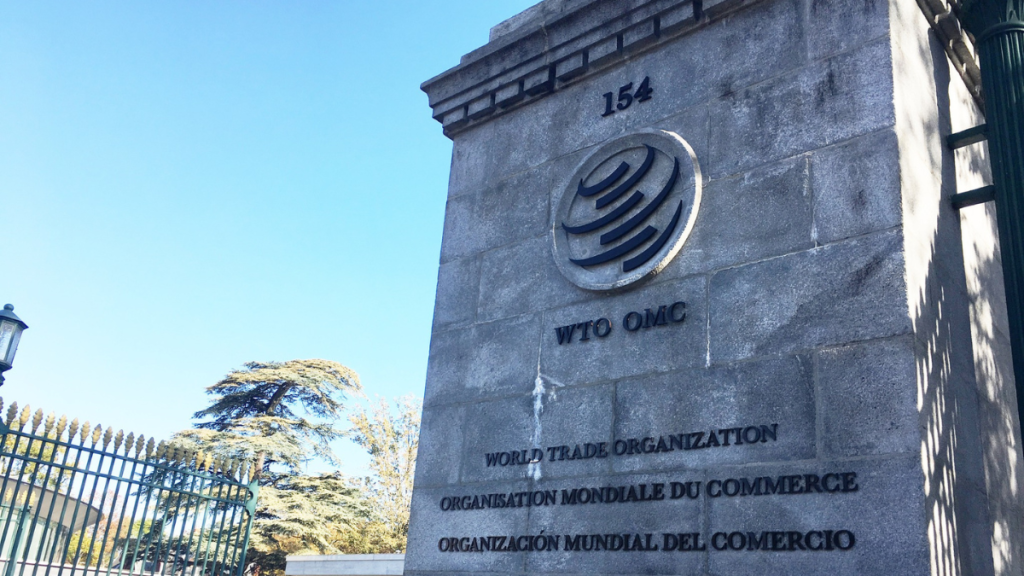
“This move shreds the credibility of the WTO and tells smaller economies like ours that power, not principle, rules global trade,” she said.
She urged ASEAN nations to present a united voice and not allow themselves to be divided by bilateral coercion or transactional diplomacy.
Malaysia Must Rethink Its Trade Dependencies
In light of these developments, Rafidah has called on the Malaysian government to:
- Urgently review its exposure to U.S. markets
- Accelerate diversification of export destinations, especially into Africa, Central Asia, and the Middle East
- Promote intra-ASEAN trade and build domestic capacity for value-added exports

She also pushed for a fresh generation of Malaysian trade negotiators who are “not only internationally savvy, but unafraid to speak truth to power.”
Engaging Public and Private Sectors
Rafidah emphasized that this is not a government-only challenge. She called upon industry chambers, export councils, SMEs, and academic institutions to rally around a new vision of economic diplomacy—one that is both principled and pragmatic.
“We cannot rely on the same formula. The trade world has changed, and we must adapt without compromising our dignity or national interest,” she noted.
Standing Firm on Fair Trade
Tan Sri Rafidah Aziz’s critique comes at a critical moment. As the global trading system faces one of its most serious stress tests since the 2008 financial crisis, Malaysia’s seasoned voices are urging a course correction grounded in fairness, cooperation, and strategic clarity.

With her vast experience in guiding Malaysia through global economic crises and trade negotiations, Rafidah’s voice adds weight to a growing consensus: that while globalization must evolve, it cannot be replaced by economic intimidation.
Stay with ForwardMalaysia.my for continued coverage on trade diplomacy, policy responses, and economic leadership from Malaysia and ASEAN.


