

When the Superpower Stops Working – Shutdown of U.S. Government
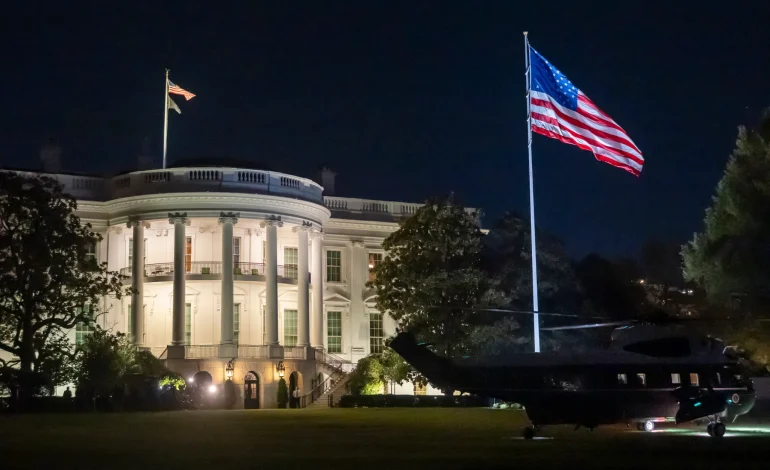

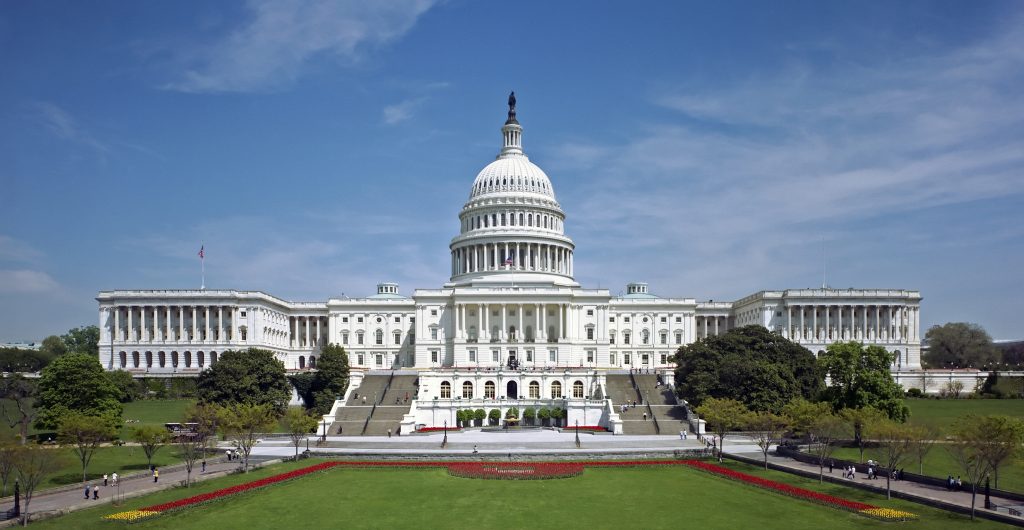
Today, let us talk about “What a U.S. Government Shutdown Teaches Malaysia?”. When the world’s largest economy hits the brakes, it doesn’t just stall Washington — it sends shockwaves through global confidence. For forty-three days, the United States government was effectively “closed for business,” a political standoff so severe that it paralyzed public services, delayed wages, and left hundreds of thousands of Americans in bureaucratic limbo.
To Malaysians, this spectacle seems almost unthinkable. How can a nation with such wealth and power simply stop functioning? The answer lies not in economic weakness, but in political dysfunction — a symptom of how the U.S. system of divided government can turn disagreement into deadlock.
When Politics Overrides Governance
In America, Congress must approve annual spending bills before the government can legally use its funds. This year, partisan gridlock turned that basic process into a game of brinkmanship: Republicans in the House wanted to limit federal spending and roll back certain healthcare subsidies; Democrats in the Senate and the White House refused to yield. The result was a government shutdown — the longest in U.S. history.
The irony is painful. The U.S. isn’t broke; it’s simply bound by laws that prevent it from spending money without approval. Agencies from food assistance to aviation security were frozen in place. Essential workers — police, border guards, even air-traffic controllers — worked without pay. A system built on checks and balances ended up checking itself into paralysis.
Why the World Cares
Beyond the political theatre, the shutdown carried real economic costs. Markets wobbled as official data releases were delayed. Federal contracts were suspended, tourism took a hit, and consumer confidence dropped. Analysts estimate the U.S. economy lost billions of dollars in productivity — a self-inflicted wound at a time when global growth already faces headwinds.
For countries like Malaysia, the implications are subtle but real. When the U.S. sneezes, Asia’s exporters catch a cold. A prolonged disruption in U.S. federal operations affects customs processing, trade approvals, and investor sentiment — all factors that ripple through our interconnected global economy.
Lessons for Malaysian and Government
Malaysia, fortunately, is structured differently. Our Constitution allows temporary spending through the Consolidated Fund even if Parliament fails to pass a budget, preventing a total shutdown. And when budget impasses arise, the political mechanism is clear: the government either secures a majority — or the people go back to the polls.
Yet, the U.S. episode still offers a quiet caution. It shows what happens when politics consumes the space meant for governance. When leaders use the national budget as a bargaining chip, the cost is paid not by politicians, but by ordinary citizens — the civil servant waiting for a paycheck, the family seeking healthcare, the traveler stranded by bureaucracy.
A Reflection on Political Maturity
In Malaysia, we often complain about “too much politics” — but in this case, too much politics literally shut down a government. Perhaps that is the true message for us: governance requires cooperation, not perpetual combat. In a democracy, disagreement is natural; paralysis is not.
As we watch Washington struggle to reopen its own doors, Malaysia might quietly appreciate the relative stability of our parliamentary model — imperfect as it may be. But stability should never make us complacent. The American shutdown is a reminder that when politics stops serving the people, even the most powerful government in the world can grind to a halt.
The Malaysian Government Connection: Budget 2026 and the Test of Consensus
In these few weeks, as Budget 2026 heads into debate, Malaysia will face its own version of political negotiation — though thankfully, without the threat of a shutdown. Our challenge lies not in whether the government will fund itself, but how well it balances fiscal discipline with social responsibility.
The Unity Government’s budget proposals will demand support from a spectrum of parties and ideologies — a delicate balancing act that mirrors the U.S. dilemma, minus the drama. The difference lies in intent: will our leaders debate to improve policy, or to score political points?
If Malaysia hopes to avoid the fate of the U.S. — where governance becomes hostage to politics — then Budget 2026 must be approached as a national blueprint, not a political battlefield. After all, a functioning democracy is not measured by how loudly its politicians argue, but by how responsibly they govern.
Final Line (Optional Pull Quote):
When politics serves power, nations stumble. When politics serves people, governments endure.
Seng Tat
The Civic Minds