



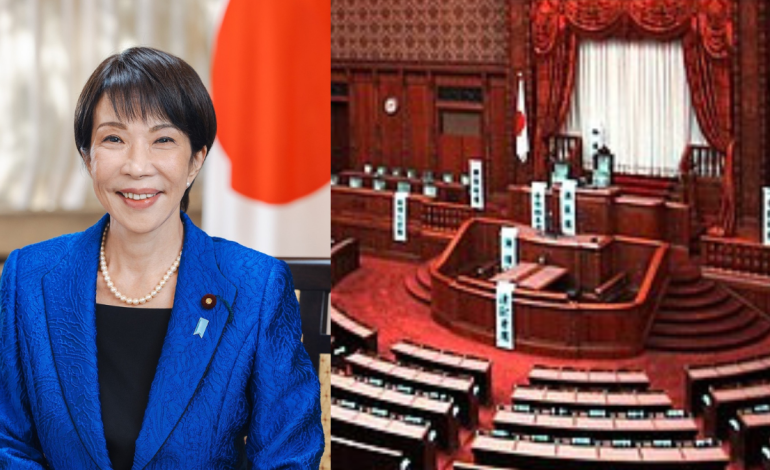

TOKYO — News that Japanese Prime Minister Sanae Takaichi resigned together with her Cabinet earlier this week has caused confusion across international media and social platforms. However, the move was procedural rather than political, and does not signal a loss of power or leadership change in Japan.
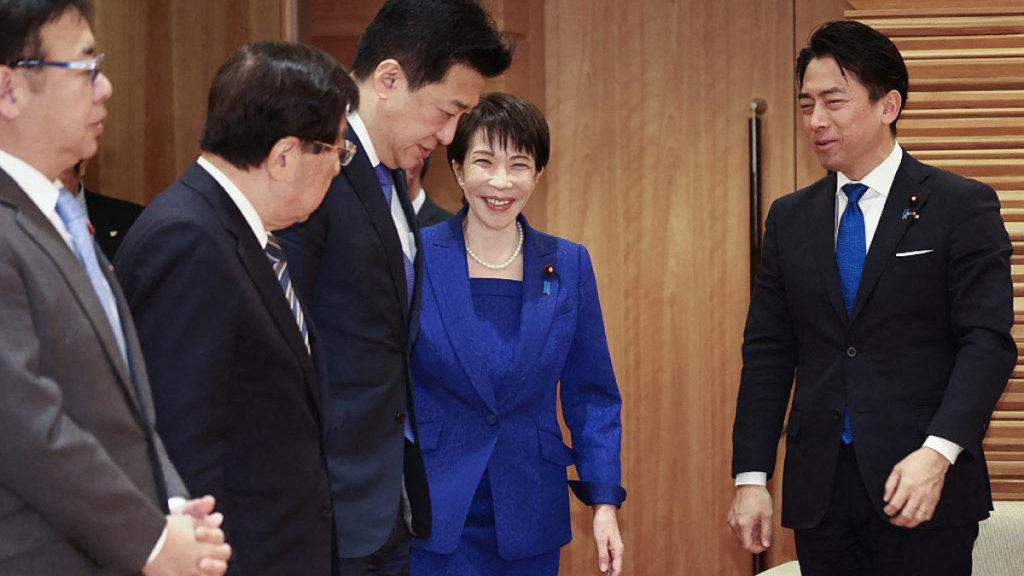
Takaichi stepped down with her Cabinet following Japan’s recent general election, a constitutional requirement under the country’s parliamentary system. Within hours, she was re-elected by the National Diet and reappointed to lead a new Cabinet, continuing her tenure as prime minister without interruption.
A routine step under Japan’s Constitution
In Japan, when a general election concludes and a new session of the National Diet convenes, the sitting prime minister and Cabinet are required to resign en bloc. This clears the way for the newly elected lawmakers to formally nominate and confirm the next prime minister.
The process applies regardless of whether the ruling party retains power. As long as the governing coalition commands a majority in the Diet, the same leader may be re-elected immediately — which is precisely what occurred in Takaichi’s case.
Political analysts note that this constitutional step is often misunderstood outside Japan, where the term “resignation” is frequently associated with political defeat, scandal, or forced removal from office.
Strong mandate after election victory
Takaichi’s Liberal Democratic Party (LDP), together with its coalition partners, emerged from the election with a commanding majority in the lower house. The result strengthened her mandate to continue governing and allowed her to form what is effectively her second Cabinet, with several ministers retaining their portfolios.
Rather than weakening her position, the post-election process reaffirmed her leadership and consolidated policy continuity.
Why international headlines were misleading
Much of the confusion stems from how Japan’s political procedures are reported internationally. Headlines stating that the prime minister “resigned” often omit the constitutional context, creating the impression of instability or leadership crisis.
In reality, Japan’s system prioritises institutional continuity. The resignation is a legal reset, not a political judgement. Once the Diet votes, the new prime minister — often the same individual — resumes office immediately.
Policy direction remains unchanged
With her reappointment, Takaichi has reiterated her administration’s priorities, including:
- Economic revival through increased domestic investment and a gradual shift away from rigid fiscal austerity
- National security reforms, including defence capability upgrades and closer coordination with strategic partners
- Economic security initiatives, such as supply-chain resilience and advanced technology cooperation
These policies were central to her election campaign and received voter endorsement through the ruling coalition’s strong performance.
Why this matters to Malaysian readers
For Malaysia and the wider ASEAN region, Japan remains a key economic partner, investor, and diplomatic actor. Understanding how Japan’s political system functions helps avoid misreading routine procedures as political instability.
More broadly, this episode highlights how different parliamentary systems operate under distinct constitutional norms — and why direct comparisons with presidential systems or other democracies can lead to inaccurate conclusions.
The bottom line
Sanae Takaichi did not lose office, face a leadership challenge, or step aside under pressure. Her Cabinet’s resignation was a constitutional formality, followed by an immediate re-election that confirmed her continued leadership.
For readers navigating global news flows filled with shortened headlines and viral summaries, the key takeaway is simple: Japan’s government remains stable, and its prime minister remains firmly in office.