



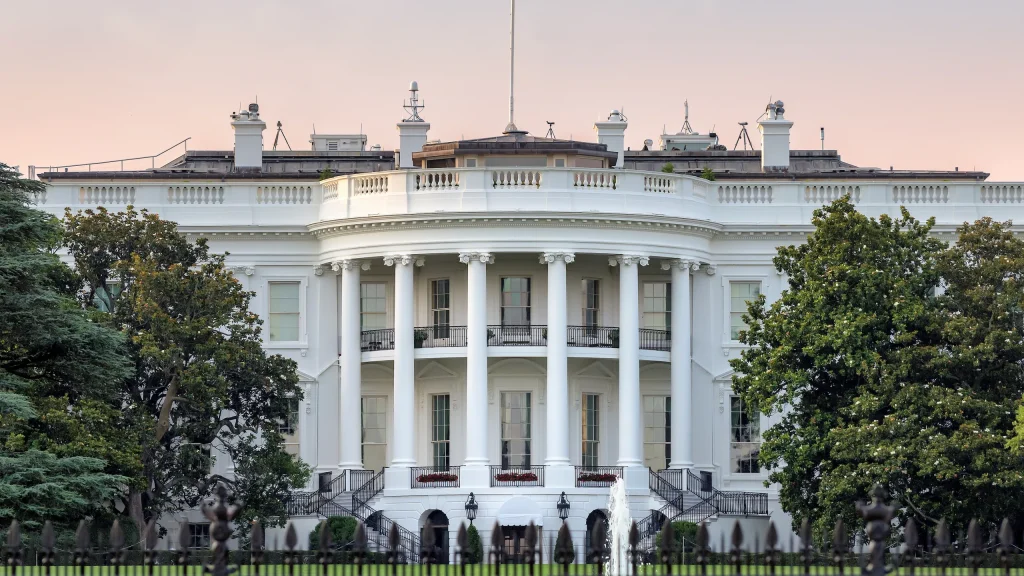
KUALA LUMPUR, March 26 – U.S. intelligence agencies have identified China as the most serious military and cyber threat to the United States.
The Annual Threat Assessment, released Tuesday, warns that China is strengthening its capabilities to seize Taiwan while working to surpass the U.S. as the world’s leading power in artificial intelligence (AI) by 2030.
The report also highlights China’s ability to strike the U.S. with advanced weapons, disrupt essential infrastructure through cyberattacks, and threaten American assets in space.

Global Rivals Challenging U.S Power
China is not alone in challenging U.S. influence. The report names Russia, Iran, and North Korea as key players working to weaken American power through strategic campaigns.
Russia’s war in Ukraine, for example, has provided valuable lessons on countering Western military technology and intelligence systems.
At a Senate Intelligence Committee hearing, Director of National Intelligence Tulsi Gabbard described China as Washington’s “most capable competitor.”
She highlighted China’s military advances, including hypersonic weapons, stealth aircraft, advanced submarines, and a growing nuclear arsenal.
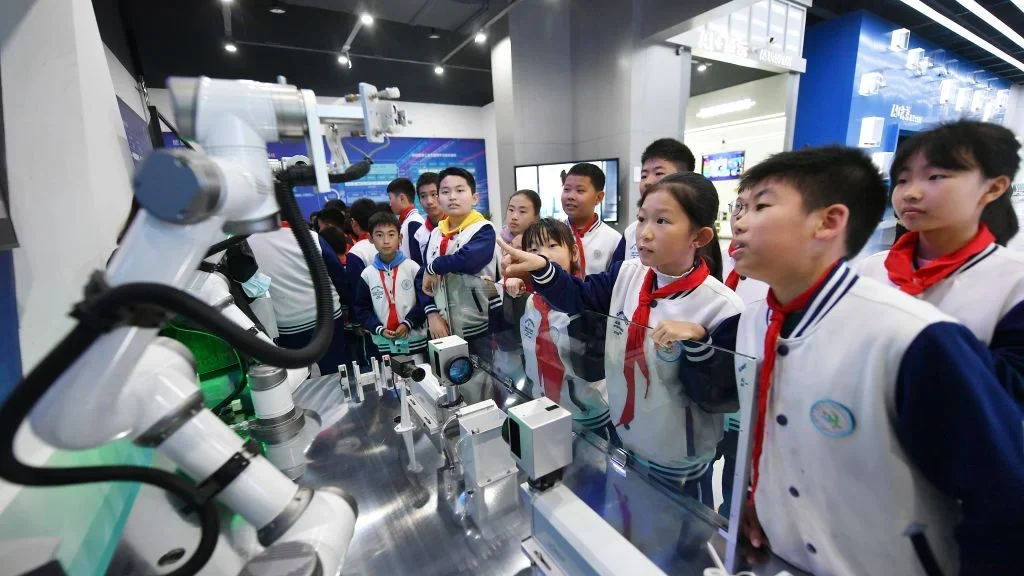
The report also warns that China is using AI to spread false information and conduct cyberattacks.
Fentanyl Crisis Fuels The Tension
Another major point of concern is the U.S. fentanyl crisis.
CIA Director John Ratcliffe criticized China for not doing enough to stop the export of chemicals used to produce the drug. He argued that China’s inaction is worsening the crisis, which remains a leading cause of overdose deaths in the U.S.

In response, the Trump administration imposed a 20% tariff on all Chinese imports, blaming Beijing for failing to address the issue.
China denies any wrongdoing. Liu Pengyu, a spokesperson for the Chinese embassy in Washington, said the U.S. must take responsibility for its own drug problems.
Security Risks at Home
The report also raises concerns about domestic security.
It warns that illegal immigration is putting pressure on U.S. infrastructure and increasing the risk of terrorists entering the country.
Additionally, intelligence officials believe Iran is working to build networks inside the U.S. while targeting American officials.
Despite its growing missile and drone capabilities, the report states that Iran is not currently pursuing a nuclear weapon.
China’s Global Ambitions
U.S. intelligence suggests that China is expanding its reach beyond Asia, with a particular interest in the Arctic.
Greenland’s natural resources are seen as a strategic prize, and Beijing is reportedly seeking a foothold in the region.
To counter this, U.S. Vice President JD Vance will visit Greenland this week as part of a diplomatic mission.
The visit follows renewed debate over the U.S. potentially acquiring Greenland—a proposal that previously caused friction with Denmark.


Internal Challenges for Beijing
Despite its ambitions, China faces significant problems at home.
The report points to economic slowdown, corruption, and demographic challenges as threats to the ruling Communist Party’s stability.
It also suggests that Chinese officials expect ongoing economic tensions with the U.S. in the coming years.
As China strengthens its military and technological capabilities, the rivalry between the two nations is set to intensify. With tensions rising on multiple fronts, U.S.-China relations will continue to shape the future of global power.


